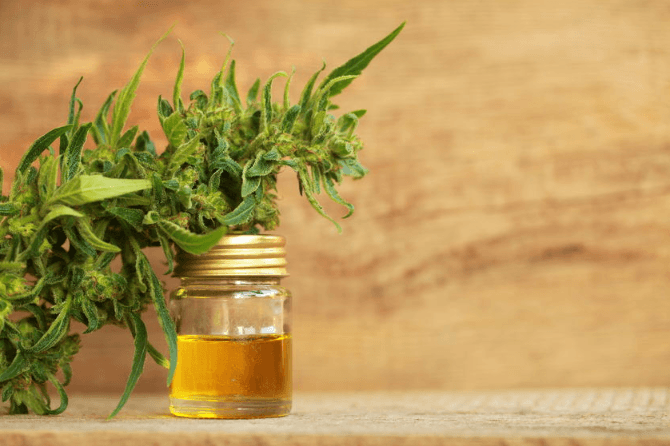
CBD oil may help with autoimmune conditions by modulating the immune system rather than simply suppressing it, reducing chronic inflammation, slowing T-cell production, and interacting with CB2 receptors that regulate the body’s inflammatory response. Autoimmune diseases develop when the immune system mistakenly attacks healthy tissue, producing persistent inflammation at the root of conditions like rheumatoid arthritis, multiple sclerosis, inflammatory bowel disease, and psoriasis. Preclinical research and a growing body of clinical observation suggest that cannabidiol interacts directly with the endocannabinoid system to help restore immune balance, ease symptom burden, and reduce the frequency of autoimmune flare-ups without the serious side effects associated with long-term immunosuppressant drug use. Those in Canada looking for a trusted source of lab-tested hemp extracts can explore the full range of CBD oil products at Budora, where oils, tinctures, topicals, and edibles are available with same-day delivery across Metro Vancouver and Canada-wide mail order.
Key Factors That Determine CBD Oil Effectiveness for Autoimmune Conditions
Not every CBD oil delivers the same level of immune support. Understanding what separates a clinically relevant hemp formulation from an underpowered supplement ensures you select a product capable of producing measurable results.
See also: Natural Life Reviews
Spectrum Type and Cannabinoid Profile
The spectrum classification of a CBD oil determines which plant compounds are present and how they interact with the immune system. Full spectrum oils preserve every naturally occurring cannabinoid, terpene, and flavonoid from the hemp plant, including up to 0.3% THC, producing a compound interaction known as the entourage effect that amplifies the anti-inflammatory and immunomodulatory output of each individual compound. Broad spectrum oils retain the same multi-compound profile but remove THC entirely, making them the preferred choice for autoimmune patients on medications that require clean drug screening results. CBD isolate oils contain pure cannabidiol only, offering the most controlled dosing experience for those sensitive to other cannabinoids or managing multiple prescriptions.
Third Party Laboratory Testing
No CBD oil intended for autoimmune support should be purchased without a verifiable Certificate of Analysis from an ISO 17025-accredited independent testing laboratory. This document confirms the exact cannabinoid concentrations per batch, verifies the absence of heavy metals, residual solvents, agricultural pesticides, and microbial contamination, and validates that THC levels remain within legal thresholds. Always cross-reference the batch number printed on your bottle with the corresponding COA before use.
Extraction Method and Ingredient Quality
CO2 extraction is the industry standard for preserving cannabinoid and terpene integrity without introducing chemical residue. Ethanol extraction is an accepted secondary method commonly used for isolate production. MCT oil derived from coconut is the most bioavailable carrier oil, aiding in cannabinoid absorption at the cellular level. Avoid any oil that fails to disclose its extraction method or lists synthetic additives in the ingredient panel.
Full Spectrum vs. Broad Spectrum vs. CBD Isolate for Autoimmune Support
Choosing the right CBD oil type is the single most important decision for autoimmune users. Each format serves a different health profile and treatment priority.
| Feature | Full Spectrum | Broad Spectrum | CBD Isolate |
| THC Content | Up to 0.3% | None (removed) | None |
| Entourage Effect | Full | Partial | None |
| Best For | Maximum immune modulation, whole plant support | THC-free multi-compound immune support | Pure CBD, drug testing, sensitive users |
| Flavor Profile | Earthy, herbal | Mild herbal | Neutral, clean |
| Ideal User | Experienced users, no THC restrictions | Most autoimmune wellness users | Beginners, medication-sensitive users |
What Autoimmune Conditions CBD Oil May Help Support
Understanding which autoimmune applications CBD oil is most frequently used for helps match the right formula and potency to your specific condition before purchasing.
Rheumatoid Arthritis and Joint Inflammation CBD interacts with CB2 receptors throughout joint tissue to inhibit pro-inflammatory cytokine production and enhance anti-inflammatory signaling. Sublingual absorption delivers active compounds to the bloodstream within 20 to 45 minutes, making full spectrum and broad spectrum tinctures the most responsive format for managing chronic joint pain and morning stiffness associated with RA.
Multiple Sclerosis and Neuroinflammation Preclinical studies in MS models found that CBD decreased the gene transcription responsible for promoting neuroinflammation. Clinical observations suggest broad spectrum oils taken consistently over several weeks may support reduced symptom severity, improved sleep quality, and lower reported pain levels in MS patients.
Inflammatory Bowel Disease and Gut Immunity CBD has shown measurable reductions in cytokine levels and symptom frequency in ulcerative colitis and Crohn’s disease cases. Full or broad spectrum oils taken sublingually and absorbed systemically provide the most direct pathway for supporting gut mucosal immune regulation compared to edible formats that pass through the digestive tract first.
Psoriasis and Autoimmune Skin Conditions Topical CBD applied directly to affected skin areas has shown improvement in psoriasis severity scores in clinical observation studies. For systemic autoimmune skin conditions, pairing a daily sublingual oil with a targeted topical creates both internal and localized immune support simultaneously.
How to Take CBD Oil for Autoimmune Support
The most effective delivery method for systemic autoimmune support is sublingual application. Place the measured dose under the tongue using the included dropper, hold for 30 to 60 seconds without swallowing, then clear the mouth. This technique bypasses the digestive system entirely, allowing cannabinoids to absorb directly through the mucosal membrane into the bloodstream for faster onset and higher effective concentration than oral ingestion. CBD oil can also be stirred into beverages or food, though this method slows absorption and reduces peak bioavailability by routing compounds through the digestive tract.
Dosing Tip: Autoimmune users new to CBD should begin with 10 to 15mg once daily for the first week before adjusting upward based on individual response. Consistent use over four to eight weeks is generally required before evaluating meaningful changes in inflammatory symptom patterns.
Choosing the Right CBD Oil for Your Autoimmune Condition
| Autoimmune Goal | Best Formula Type | Suggested Daily Dose |
| Joint inflammation and arthritis | Full Spectrum or Broad Spectrum | 25 to 50mg per serving |
| Sleep disruption from chronic pain | Full or Broad Spectrum with CBN | 25 to 50mg before bed |
| Gut immune support | Broad Spectrum or Full Spectrum | 25 to 50mg daily |
| Skin autoimmune conditions | Broad Spectrum oil plus topical | 10 to 25mg daily plus topical |
| THC-free requirement | Broad Spectrum or Isolate | Any potency |
| Beginners or medication-sensitive users | CBD Isolate or Low-Dose Broad Spectrum | 10 to 15mg to start |
For users who want to explore a broader range of verified hemp formats for daily autoimmune support, browsing CBD edibles and wellness products on Budora lets you compare oils, topicals, and edibles side by side with fast delivery options across Canada.
Third Party Testing and Safety Standards
Because manufacturing practices vary significantly across the hemp industry, verifying the chemical purity and potency accuracy of any CBD oil before use is non-negotiable for autoimmune users who are often already managing complex medication protocols.
- Scan for QR Codes and Certificates of Analysis: Every bottle should provide access to a batch-specific COA from an independent accredited laboratory confirming the exact cannabinoid content and the absence of contaminants.
- Confirm Heavy Metal and Pesticide Verification: Independent testing must confirm the hemp biomass is free from heavy metals, residual agricultural solvents, and synthetic pesticides before any product reaches retail shelves.
- Evaluate THC Content by Spectrum: Broad spectrum and isolate products go through additional processing to reach non-detectable THC levels, providing the cleanest option for autoimmune users subject to regular drug screening or strict medication management. Full spectrum oils remain within the federal legal threshold of 0.3% THC.
- Check Hemp Source and Farming Practices: USA and EU-grown hemp is cultivated under stricter agricultural regulations than unregulated international sources. Always confirm where the raw hemp biomass is sourced before purchasing any oil.
Conclusion
CBD oil shows meaningful promise for autoimmune support through its ability to modulate immune response, reduce systemic inflammation, suppress overactive T-cell activity, and interact with the endocannabinoid system that directly regulates immune signaling. Whether you select a full spectrum tincture for maximum entourage effect, a broad spectrum oil for THC-free multi-compound immune support, or a pure CBD isolate for controlled daily dosing alongside existing medications, the most important steps are confirming the batch COA before use and maintaining consistent daily intake long enough to observe real results. For those who want to go deeper into how cannabinoids interact with neurological and immune pathways, this overview of new studies on cannabis and brain health provides additional research context worth reviewing before building any long-term protocol.
Frequently Asked Questions
Does CBD oil actually help with autoimmune diseases? Preclinical research and clinical observations suggest CBD oil may help manage autoimmune conditions by modulating rather than suppressing the immune system, reducing pro-inflammatory cytokine production, and slowing T-cell activity responsible for autoimmune attacks. Human clinical trials remain limited, but patient-reported improvements in conditions like rheumatoid arthritis, MS, and IBD are well documented across multiple observational studies.
Will broad spectrum CBD oil show up on a workplace drug screen? Broad spectrum CBD oils are processed to remove detectable THC, making them the safer choice for autoimmune users subject to regular drug testing. Full spectrum oils contain legally compliant THC levels under 0.3%, which may still trigger a positive result depending on the sensitivity of the screening method used. For guaranteed clean results, select a verified isolate or THC-free broad spectrum formula.
How long does it take for CBD oil to help with autoimmune symptoms? Sublingual CBD oil typically reaches peak blood concentration within 20 to 45 minutes per dose. However, meaningful changes in autoimmune inflammatory patterns generally require consistent daily use over four to eight weeks before a reliable assessment can be made. Higher potency broad or full spectrum oils tend to produce more noticeable systemic effects at equivalent serving sizes.
What is the difference between full spectrum and broad spectrum CBD oil for autoimmune use? Full spectrum CBD oil contains every naturally occurring hemp compound including up to 0.3% THC, delivering the complete entourage effect for maximum immune modulation. Broad spectrum removes THC entirely while retaining other beneficial cannabinoids and terpenes, offering a partial entourage effect without psychoactive risk. For autoimmune users on immunosuppressant medications, broad spectrum is generally the safer starting point to avoid any potential drug interaction from THC content.
How much CBD oil should an autoimmune patient take daily? New users should begin with 10 to 15mg once per day sublingually, maintaining this baseline for at least seven days before adjusting. Most autoimmune users find their effective daily range falls between 25 and 50mg depending on body weight, symptom severity, and the specific condition being managed. Always consult a healthcare practitioner before adjusting CBD dosage alongside existing autoimmune medications.
Is hemp-derived CBD oil safe to use with autoimmune medications? Topically applied CBD has minimal systemic absorption and low interaction risk. Oral CBD oil, however, is metabolized through the liver’s CYP450 enzyme pathway, the same pathway used by many immunosuppressant drugs. This creates a potential interaction risk that should be reviewed with a licensed healthcare practitioner before combining CBD oil with any existing autoimmune treatment protocol.
What should I check on a CBD oil label before buying for autoimmune support? Verify the total CBD content in milligrams per bottle, the per-serving dose in milligrams, the spectrum type, the carrier oil used, the hemp source country, and the presence of a QR code or web link directing you to the batch-specific Certificate of Analysis for that exact product lot. For autoimmune users, also confirm whether minor cannabinoids like CBG are included, as these compounds contribute additional anti-inflammatory support beyond primary cannabidiol content.