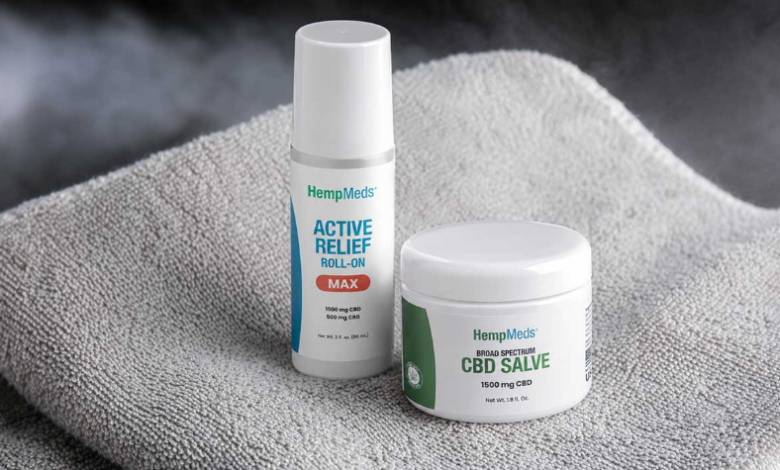
CBD products come in several forms, but choosing between a topical and an oil can feel confusing when both contain cannabidiol. A CBD balm is designed for application on the skin, while CBD oil is generally taken orally. Neither option automatically suits everyone, so understanding the differences makes product selection much easier for many everyday personal routines. Once the basics are clear, the choice becomes less about trends and more about finding a format that matches personal preferences and intended use.
CBD Balm and CBD Oil at a Glance
Both products can contain CBD, yet their formulas and routes of use are quite different. Balm is a topical product made to stay on the skin, while oil is commonly placed under the tongue or incorporated into food and drinks according to the product directions.
| Feature | CBD Balm | CBD Oil |
| Main use | Topical application | Oral use |
| Application | Rubbed onto skin | Taken by mouth |
| Routine | Targeted, localized application | Daily or flexible routine |
| Dosage | Amount applied varies by product | Measured with a dropper |
| Convenience | Useful for specific areas | Easy to measure and carry |
What Is CBD Balm?
CBD balm is a topical formulation that combines CBD with ingredients such as oils, waxes, butters, or other skin-friendly carriers. It is applied directly to the skin rather than swallowed. Many balms are designed for areas such as muscles and joints, making them convenient when someone prefers a targeted topical routine.
See also: Discover Premium Cannabis Genetics for Every Grow
How Topical Use Works
When a balm is massaged onto the skin, its ingredients remain concentrated around the application area. Topical routines can feel simple because they do not require measuring drops or adding a product to food or beverages.
Checking the ingredient list matters, especially for people with sensitive skin or known reactions to fragrances, essential oils, or other botanical ingredients.
What Is CBD Oil?
CBD oil is a liquid product containing CBD extract blended with a carrier oil. Depending on the formula, it may contain full-spectrum, broad-spectrum, or CBD isolate. Oils are commonly packaged with droppers, allowing users to measure an intended amount more easily than with a solid topical product.
How Oral Use Differs
Oil intended for oral use is usually placed under the tongue or swallowed according to the manufacturer’s directions. Since it enters the body through the digestive or oral route, its use is fundamentally different from applying a balm to the skin.
Key Differences Between CBD Balm and CBD Oil
Application, intended routine, dosage, and personal convenience provide the clearest points of comparison. Looking at these factors side by side makes it easier to understand how CBD balm and CBD oil differ and which format may fit better into your routine.
Application and Intended Use
The biggest difference is how the two products are used. Balm is applied externally to selected areas, while oil is generally taken orally. This gives the two formats different roles in a daily routine.
Their intended methods of use provide a straightforward way to understand the basic distinction:
- CBD Balm: Applied directly to the skin and suited to people who prefer a localized topical format.
- CBD Oil: Taken orally and generally better suited to someone who wants to include CBD in a broader daily routine.
Dosage and Strength
CBD oil often provides a clearly stated concentration, such as milligrams of CBD per milliliter. This can make it easier to understand how much CBD is contained in a measured serving. Balm labels may instead list the total CBD content in the entire container, while the amount applied to the skin can vary depending on how much product is used.
When comparing labels, pay attention to:
- Total CBD content: Shows how much CBD is contained in the full product.
- Serving or application guidance: Explains how the product is intended to be used.
- Ingredients: Helps you understand what else is included in the formula.
- Testing information: Look for available third-party testing or batch reports when provided by the brand.
Texture and Convenience
Texture and everyday convenience can also influence the choice. Balm needs direct skin contact and usually involves rubbing the product into the selected area. Oil requires a dropper or another method for measuring the desired amount, which may appeal to people who prefer a liquid format.
For someone who likes a simple topical routine, balm may feel more convenient. Someone who already uses liquid supplements or prefers measured oral products may find oil easier to incorporate into their day.
Which Format Fits Different Routines?
The right format depends less on a universal rule and more on how someone wants to use CBD. People who prefer topical products may find balm easier to use after exercise or at the end of a long day. Someone who prefers measured oral products may find oil simpler for consistent use.
Consider these practical factors:
- Topical preference: Balm can suit routines centered on applying a product to specific areas of the skin.
- Measured servings: Oil can make portioning more straightforward when the label provides a clear concentration.
- Routine simplicity: Balm avoids swallowing a product, while oil can be convenient for people already comfortable with liquid supplements.
- Ingredient preferences: Comparing carrier oils, waxes, fragrances, and botanical ingredients can help narrow the options.
Full-Spectrum, Broad-Spectrum, and Isolate
CBD oil and balm can use different types of CBD extracts.
- Full-spectrum formulas contain multiple naturally occurring hemp compounds, including CBD and other cannabinoids.
- Broad-spectrum formulas contain several hemp compounds but are formulated without detectable THC according to product specifications.
- Isolate focuses on CBD alone.
It simply describes what is present in the formula. Reading the product label and laboratory information can provide a clearer picture of the contents.
What to Look for Before Buying
Product quality deserves attention regardless of format. Several details can help with comparison.
Clear Potency Information
Look for a clearly stated CBD amount rather than relying on vague terms such as “extra strength.” Oil should provide concentration information, while balm should state the total CBD content and container size. This information makes it easier to compare products without relying on general strength claims.
Ingredient Transparency
Ingredient lists help show what surrounds the CBD. Balm may contain waxes, oils, butters, or botanical extracts. Oil commonly uses a carrier such as MCT oil or another plant-based oil. Complete ingredient lists also provide a clearer view of the product’s overall formulation.
Independent Testing
Third-party laboratory reports can provide information about cannabinoid content and other tested compounds. Batch-specific reports are particularly useful because they connect testing information with a particular product batch. Accessible testing results can provide additional product information beyond what appears on the main label.
Is CBD balm the same as CBD oil?
No, both can contain CBD, but balm is designed for topical application while oil is generally formulated for oral use. Their ingredients, application methods, dosing approaches, and intended routines can therefore differ.
Can CBD oil be used like a topical balm?
Products should be used according to their labeling. An oral CBD oil is not automatically formulated for skin application, so its ingredients and intended route should be considered before using it topically.
Is balm or oil easier to measure?
Oil is usually easier to measure when the product provides a CBD concentration and a marked dropper. Balm dosage can be less precise because the amount applied depends on factors such as the quantity used and the size of the application area.
Bottom Line
CBD balm and CBD oil share CBD as a key ingredient, but they differ in application, formulation, dosing, and everyday use. Balm offers a topical option for people who prefer applying CBD to the skin, while oil provides a measured liquid format for oral routines. Comparing the label, ingredients, potency, and testing information can help make the choice clearer.
Pure Botanical Co. offers both options, including full-spectrum and broad-spectrum CBD oils and a topical CBD balm. Each product includes details about its formulation, ingredients, and available testing, making it easier to understand what you are choosing. Browsing the range can help you compare the different options and find a format that fits your routine.