Monitoring System Efficiency: 46819551, 1903919817, 649776232, 914842500, 1422746204, 641267460


Monitoring system efficiency is essential for organizational success. Key performance indicators (KPIs) like 46819551 and 1903919817 provide critical insights into operational performance. By adopting real-time monitoring practices, companies can pinpoint inefficiencies and respond promptly. This analytical approach can drive continuous improvement. However, understanding the implications of these metrics requires a deeper exploration into the strategies that can enhance system efficiency and support data-driven decision-making. What lies beneath the surface of these numbers?
Understanding Key Performance Indicators
While organizations strive for operational excellence, understanding key performance indicators (KPIs) becomes essential for measuring system efficiency.
KPI metrics serve as quantifiable measures that evaluate performance against established benchmarks. By systematically analyzing these indicators, organizations can identify areas for improvement, optimize processes, and align operational activities with strategic goals.
This precise evaluation fosters a culture of accountability and drives continuous enhancement of system performance.
The Importance of Real-Time Monitoring
Real-time monitoring is crucial for organizations aiming to enhance system efficiency, as it enables immediate visibility into operational processes and performance metrics.
By utilizing real-time alerts, businesses can promptly identify anomalies and initiate corrective actions, thus improving system responsiveness.
This proactive approach not only minimizes downtime but also fosters a culture of continuous improvement, empowering organizations to adapt swiftly to dynamic operational demands.
Strategies for Optimizing System Efficiency
Optimizing system efficiency requires a multifaceted approach that incorporates both technological advancements and strategic methodologies.
Implementing process automation can significantly enhance operational speed and reduce human error, while effective resource allocation ensures optimal utilization of assets.
Analyzing Trends and Making Data-Driven Decisions
As organizations increasingly rely on data to inform their decisions, the ability to analyze trends has become crucial for sustained success.
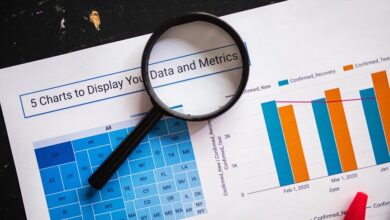
Effective data visualization techniques enable stakeholders to interpret complex datasets intuitively. Meanwhile, predictive analytics empowers organizations to forecast future outcomes based on historical data.
Together, these tools facilitate informed, strategic decision-making that enhances operational efficiency and fosters innovation in a rapidly evolving environment.
Conclusion
In the intricate tapestry of organizational success, monitoring system efficiency serves as a compass, guiding stakeholders through the labyrinth of operational complexities. By harnessing the insights gleaned from pivotal KPIs, organizations can illuminate pathways for improvement, transforming potential obstacles into stepping stones of innovation. As real-time monitoring unfurls its wings, it empowers decision-makers to navigate turbulent waters with precision, fostering an environment where continuous improvement thrives, and strategic goals are not merely aspired to but achieved with unwavering resolve.