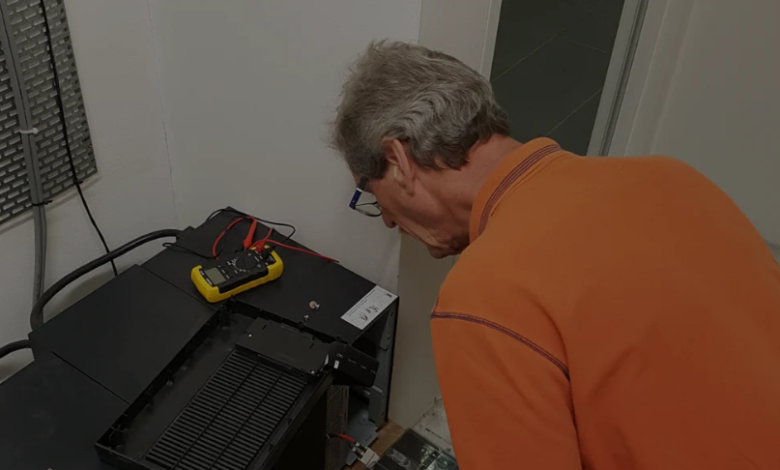
In today’s fast-paced digital world, uninterrupted power supply is no longer a luxury—it is a necessity. Businesses, households, and critical systems all rely heavily on electricity to function. This is where UPS power becomes indispensable. A UPS, or Uninterruptible Power Supply, ensures that electronic devices continue to operate during power outages and voltage fluctuations.
What is UPS Power?
UPS power refers to the energy provided by an Uninterruptible Power Supply system. Essentially, a UPS acts as a backup power source, delivering electricity when the main power fails. Unlike generators that take time to start, a UPS immediately provides power, preventing data loss, equipment damage, and system downtime.
The primary components of a UPS system include a battery, an inverter, a rectifier, and control circuitry. These components work together to ensure a smooth transition from the main power to backup power without interruption.
See also: Beyond the Flower: 5 Innovative Solventless Extracts to Craft with Your DabPress
Types of UPS Power Systems
Understanding the types of UPS systems can help you choose the right solution for your needs. There are three main types:
- Offline/Standby UPS
This is the most basic type of UPS. It provides power only when there is a failure in the main supply. Offline UPS systems are ideal for small devices like personal computers. - Line-Interactive UPS
A line-interactive UPS regulates voltage fluctuations and provides better protection than standby systems. It is suitable for small servers and network equipment. - Online/Double Conversion UPS
Online UPS systems continuously supply power through the inverter, ensuring zero interruption. These are best suited for critical systems such as data centers, hospitals, and industrial applications.
Key Benefits of UPS Power
- Protection Against Power Outages
UPS systems ensure that critical devices remain operational even during a blackout. This is essential for businesses that cannot afford downtime. - Voltage Regulation
Many UPS units stabilize voltage, protecting sensitive electronics from spikes, surges, and brownouts. - Data Protection
Sudden power loss can lead to corruption of files and data. UPS power allows users to save work and shut down devices safely. - Extended Equipment Lifespan
Fluctuating power can damage hardware over time. Using a UPS reduces wear and tear on equipment. - Business Continuity
UPS systems are critical for businesses that depend on 24/7 operations, ensuring uninterrupted productivity.
How UPS Power Works
A UPS system works in three main stages:
- Charging: The battery inside the UPS charges while connected to the main power source.
- Inverting: During a power failure, the inverter converts stored DC battery power into AC power to supply connected devices.
- Switching: The system seamlessly switches between main power and battery power without affecting connected devices.
Choosing the Right UPS Power System
Selecting the right UPS requires understanding your power needs:
- Load Capacity: Determine the total wattage of devices that will be connected to the UPS.
- Runtime Requirements: Decide how long you need backup power during outages.
- Type of UPS: Choose between offline, line-interactive, or online UPS based on the criticality of your equipment.
- Battery Life: Check for UPS systems with durable batteries and easy maintenance.
- Additional Features: Some UPS units offer surge protection, USB connectivity, and monitoring software.
Maintenance Tips for UPS Systems
Regular maintenance ensures the longevity and reliability of UPS power systems:
- Inspect batteries periodically for signs of wear or corrosion.
- Keep the UPS unit clean and dust-free.
- Test the UPS every few months to ensure it switches to battery mode correctly.
- Replace batteries according to the manufacturer’s guidelines.
Common Applications of UPS Power
- Home Offices: Protects computers and networking equipment.
- Data Centers: Maintains server uptime and prevents data loss.
- Medical Facilities: Ensures life-saving equipment remains operational.
- Industrial Plants: Prevents production downtime due to power interruptions.
- Telecommunication Systems: Maintains continuous communication services.
FAQs About UPS Power
Q1: How long can a UPS provide backup power?
A: The duration depends on the battery capacity and load connected. Small UPS units may last 5–15 minutes, while large industrial UPS systems can provide hours of backup.
Q2: Can a UPS replace a generator?
A: No, a UPS is designed for short-term backup and voltage regulation. Generators are better for long-duration power outages.
Q3: Do UPS systems need maintenance?
A: Yes, regular maintenance is essential to ensure proper functioning and to prolong battery life.
Q4: Can I connect multiple devices to a single UPS?
A: Yes, but ensure the total power consumption does not exceed the UPS capacity.
Q5: Are all UPS systems compatible with all devices?
A: Most devices can be connected to a UPS, but sensitive equipment may require a pure sine wave UPS for optimal performance.
Conclusion
UPS power is a critical investment for anyone looking to safeguard their electronics, data, and operations against unexpected power issues. From home offices to large-scale industrial operations, a UPS ensures uninterrupted power, stabilizes voltage, and protects against data loss. By understanding the types, benefits, and maintenance of UPS systems, you can make an informed decision that guarantees reliability and peace of mind. Choosing the right UPS power system is not just about protection—it’s about ensuring continuous productivity and safety in an unpredictable world.