Advanced Data Monitoring: 985282553, 369098601, 5036159202, 4053894534, 6980081685, 570010563


Advanced data monitoring has emerged as a vital component for organizations seeking operational efficiency. It integrates technologies such as machine learning and real-time analytics to track and interpret data effectively. This capability not only uncovers anomalies but also enhances predictive analytics. As businesses across various sectors adopt these practices, the implications for decision-making and strategic foresight become increasingly significant. The next steps in this evolution warrant closer examination.
The Importance of Advanced Data Monitoring
How can organizations effectively navigate the complexities of today’s data landscape?
Advanced data monitoring is essential for ensuring data accuracy and leveraging predictive analytics. By implementing robust monitoring systems, organizations can identify anomalies and enhance decision-making processes.
This proactive approach not only mitigates risks but also empowers stakeholders to utilize data-driven insights, fostering an environment that values informed freedom and strategic foresight.
Key Technologies Driving Data Monitoring
As organizations increasingly rely on data for strategic initiatives, key technologies driving data monitoring have emerged as crucial components of effective data management.
Machine learning algorithms enable predictive insights, improving data accuracy and decision-making.
Additionally, real-time analytics facilitate immediate data interpretation, allowing organizations to respond swiftly to changing conditions.
These technologies empower entities to harness their data’s full potential, ensuring competitive advantage and operational efficiency.
Applications Across Various Industries
While organizations across various industries increasingly adopt advanced data monitoring techniques, the applications of these technologies demonstrate significant diversity in their implementation and impact.
In healthcare analytics, they enhance patient outcomes. Financial forecasting improves investment strategies. Manufacturing efficiency is boosted through real-time data. Retail optimization tailors customer experiences, while transportation logistics enhance supply chain management. Environmental monitoring ensures compliance and sustainability.
Enhancing Decision-Making With Data Insights
Effective decision-making increasingly relies on the integration of data insights, which provide organizations with the analytical frameworks necessary to interpret complex information.
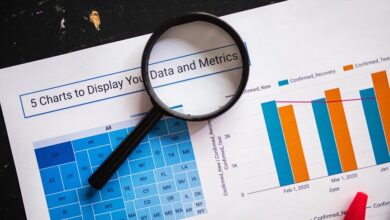
Employing data visualization techniques enhances comprehension, allowing stakeholders to grasp trends swiftly. Additionally, predictive analytics empowers organizations to forecast potential outcomes, facilitating informed choices.
Thus, these tools collectively foster a data-driven culture that enhances strategic decision-making and supports autonomy within organizations.
Conclusion
In conclusion, advanced data monitoring serves as the compass guiding organizations through the tumultuous seas of operational challenges. By harnessing technologies like machine learning and real-time analytics, businesses not only enhance their decision-making capabilities but also cultivate a proactive approach to change. This strategic foresight enables organizations to navigate complexities across various industries, ultimately fostering a culture where data-driven insights illuminate the path to success. Embracing these advancements is essential for sustained growth and autonomy in today’s competitive landscape.